
A color can look correct on an approved activewear sample and still appear slightly different when bulk production arrives.
That does not always mean the wrong color was used.
Color is affected by more than the Pantone reference or color name. Fabric composition, dyeing conditions, surface texture, lighting and even the amount of material being viewed can change how the same color appears.
For brands, the important question is not simply whether the sample and bulk “look the same.”
It is understanding where the difference comes from and whether it falls within the approved color standard.
The Approved Sample Is Only One Color Reference
During product development, a sample is usually produced from a relatively small quantity of material.
Bulk production requires much more fabric.
Depending on how the material is sourced and dyed, the bulk fabric may not come from exactly the same dye lot as the fabric used for the development sample.
This means the approved sample is an important reference, but it should not be the only thing used to control bulk color.
The final color standard should be clearly confirmed before production.
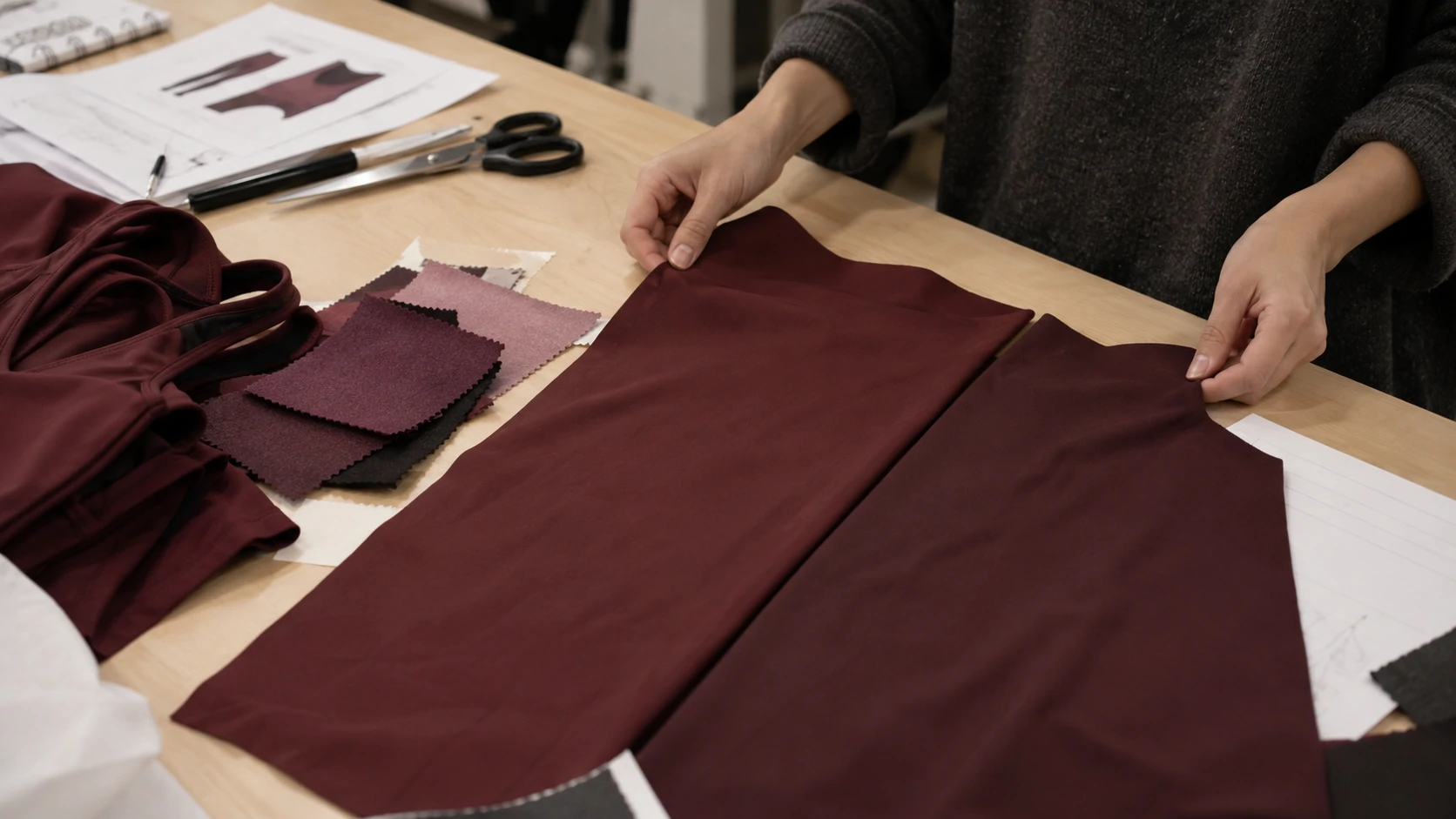
Dye Lots Can Create Small Color Differences
A dye lot is a batch of fabric processed together during dyeing.
Even when the same color formula is used, separate dye lots can show small variations.
Several production conditions can influence the final result, including:
- fabric composition
- fabric weight and structure
- dye concentration
- temperature
- processing time
- finishing conditions
For this reason, two rolls identified as the same color may not always appear completely identical when placed next to each other.
The risk becomes more important when one garment uses fabric from different dye lots.
For example, if the waistband and main body of a pair of leggings are cut from noticeably different lots, the color difference may become visible in the finished garment.
Fabric Composition Changes How Color Appears
The same color reference can produce different visual results on different materials.
Polyester, nylon and blended stretch fabrics do not necessarily absorb or display color in exactly the same way.
Elastane content, yarn structure and fabric construction can also influence the final appearance.
A color developed on one fabric should therefore not automatically be expected to look identical on another fabric.
This is especially relevant when a brand changes fabric during development but wants to keep the same approved color.
The color may need to be reviewed again on the new material.
Fabric Surface and Texture Affect What You See
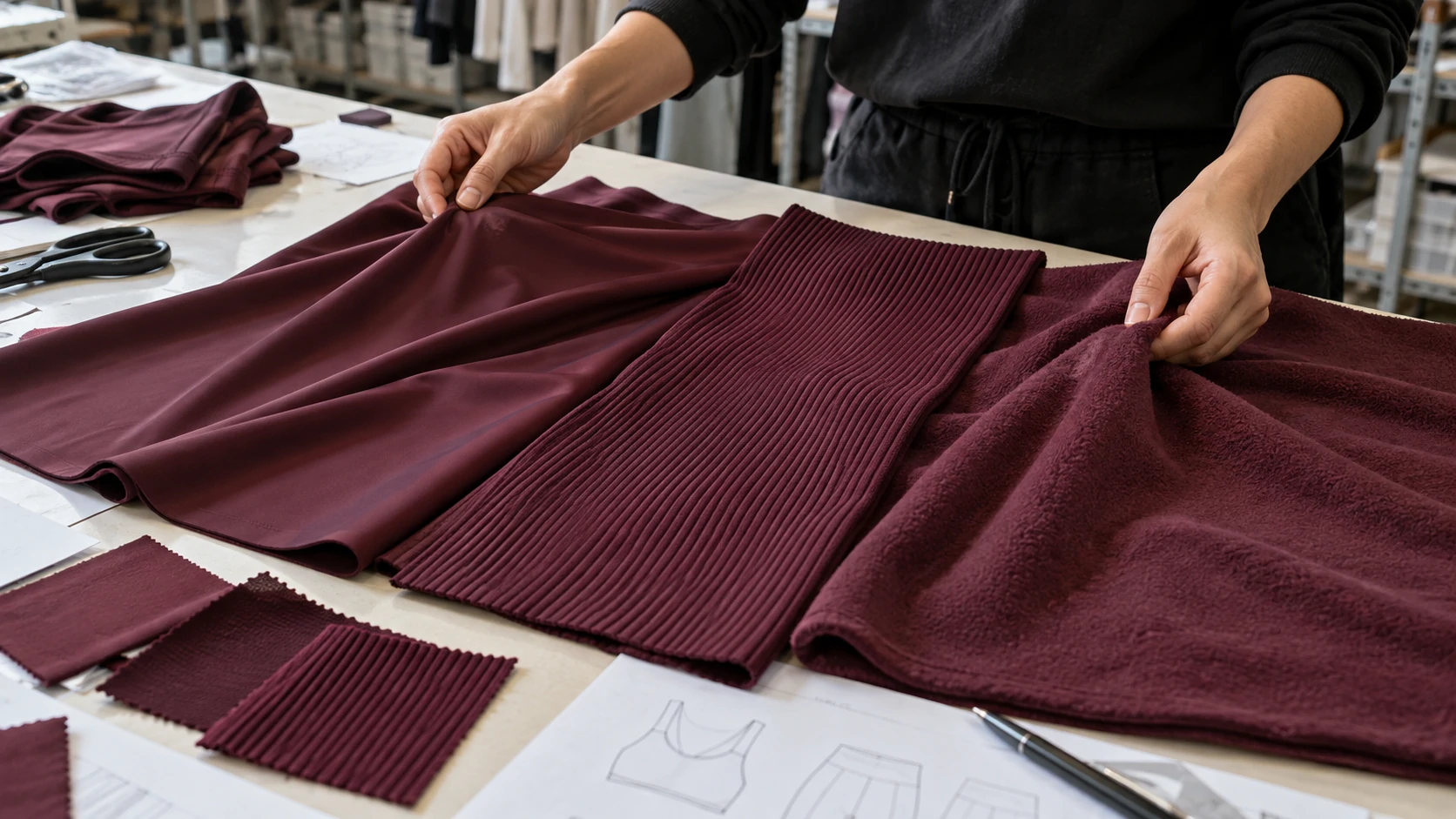
Color is not only influenced by dye.
The surface of the fabric changes the way light reflects from it.
A smooth activewear fabric can appear different from a brushed, ribbed or more textured fabric even when the intended color is similar.
Finishing treatments can also affect:
- surface appearance
- depth of color
- sheen
- hand feel
- how light reflects across the garment
This is why comparing only a digital color value is not enough for physical product development.
The actual fabric needs to be evaluated.
Lighting Can Make the Same Color Look Different
One of the easiest ways to misjudge color is to compare it under different lighting conditions.
A garment may appear slightly warmer, cooler, darker or brighter depending on whether it is viewed under:
- natural daylight
- warm indoor lighting
- cool LED lighting
- photography lighting
- direct sunlight
Phone cameras can create another layer of variation because automatic exposure and white balance can change the appearance of the color.
This means a photograph is useful for communication, but it should not always be treated as the final authority for color approval.
When investigating a possible color difference, the sample and bulk garment should be compared under the same controlled viewing conditions whenever possible.
A Small Swatch and a Full Garment Can Look Different
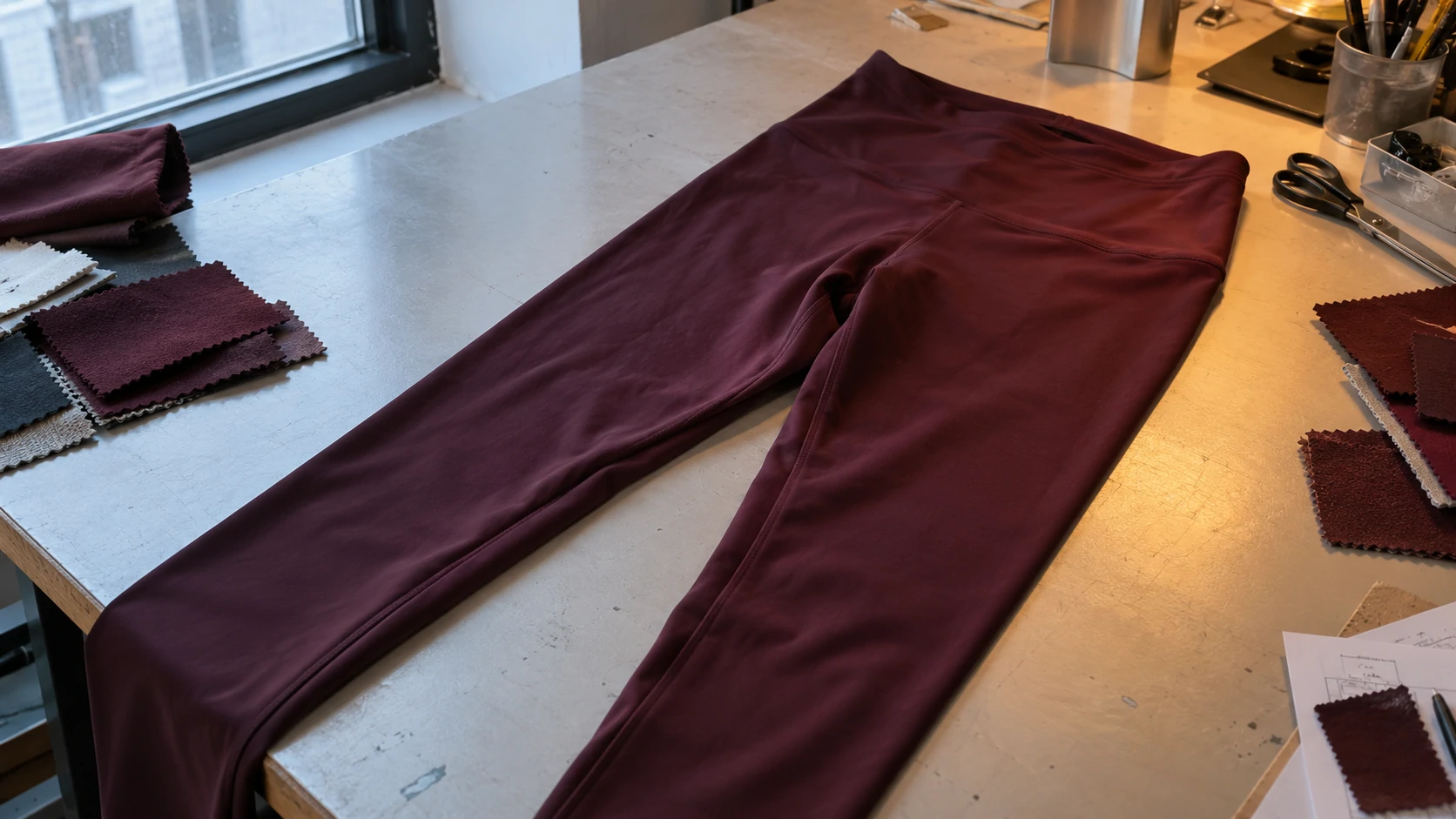
The size of the area being viewed also affects color perception.
A small fabric swatch may appear acceptable during development, while the same shade can feel visually stronger or darker when seen across an entire pair of leggings.
Garment construction can make the difference even more noticeable.
Panels may catch light at different angles, and areas under tension can sometimes appear different from relaxed areas.
This is one reason color should ideally be reviewed on both the material and the finished product.
Why Can Different Parts of One Garment Look Mismatched?
Sometimes the issue is not that the entire bulk order looks different from the sample.
Instead, different parts of the same garment appear slightly mismatched.
When this happens, several things should be checked:
- whether the panels came from the same fabric lot
- whether different fabric types are being combined
- whether the fabric direction is consistent
- whether one area is under more stretch
- whether surface finishes are different
- whether lighting is exaggerating the difference
This is particularly important for activewear styles that combine main fabric, mesh, rib fabric, lining or other materials.
Matching different materials to one visual color can require separate development and approval.
How Should Sample and Bulk Color Be Compared?
Color comparison should be systematic rather than based on a quick visual check.
| Check | What to Review |
|---|---|
| Color Standard | Compare against the approved physical reference |
| Lighting | Review under consistent lighting conditions |
| Fabric | Confirm the material matches the approved quality |
| Dye Lot | Check whether visible differences exist between lots |
| Garment Panels | Compare different areas of the same garment |
| Surface | Check sheen, texture and finishing |
| Stretch | Observe whether color changes when the fabric is under tension |
If a difference is visible, identifying the source is more useful than immediately assuming the color formula is incorrect.
What Should Be Approved Before Bulk Production?
Before bulk production begins, the brand and manufacturer should be clear about what represents the approved color.
Depending on the development process, this may include:
- an approved fabric swatch
- a lab dip
- an approved sample
- a confirmed color reference
- comments on acceptable appearance
The important point is consistency.
Everyone reviewing production should be working from the same approved reference rather than relying on memory, screen images or color names alone.
What Should You Check When Bulk Arrives?
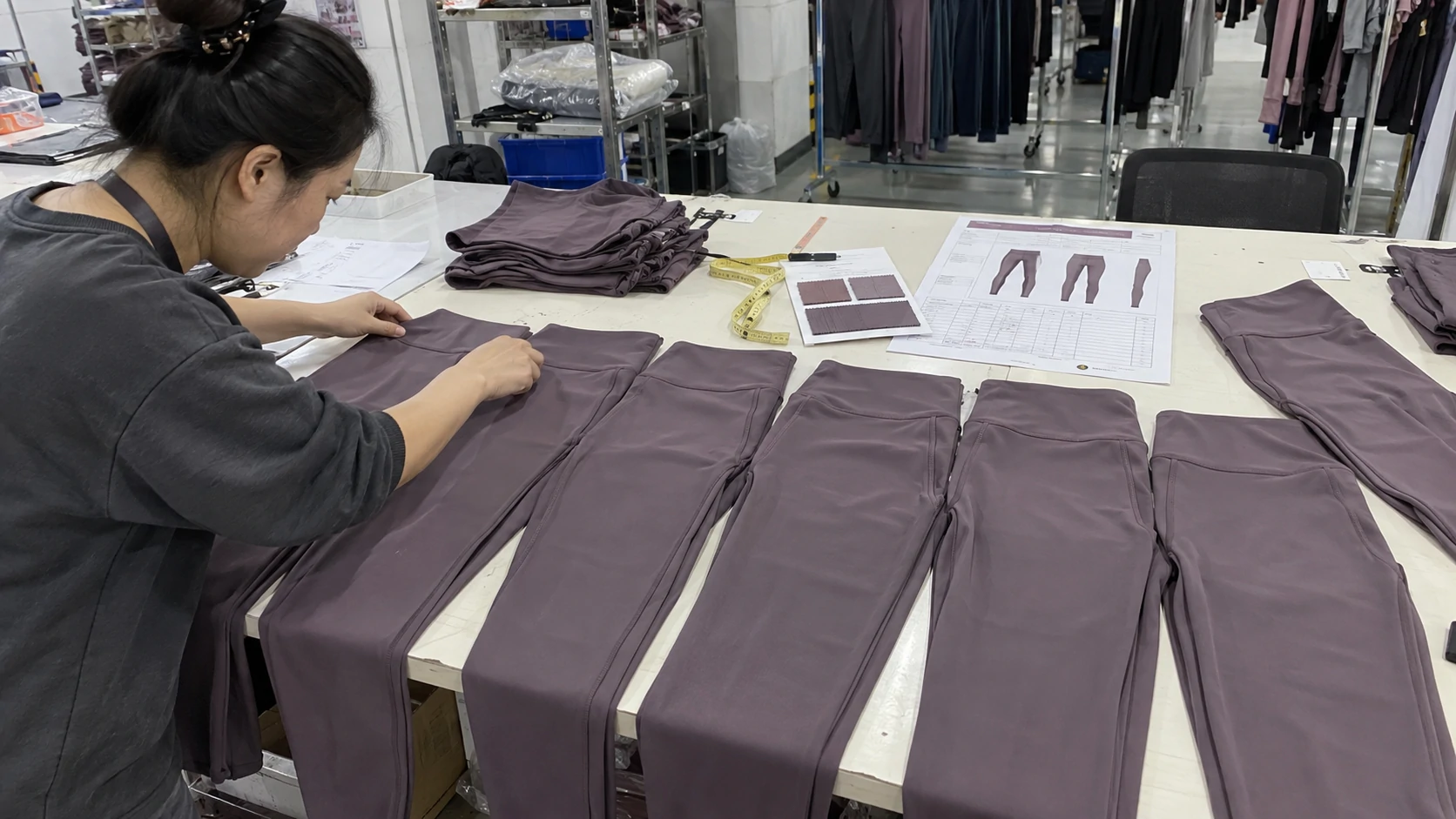
When reviewing bulk production, compare it with the approved reference under consistent conditions.
Do not evaluate only one garment.
Check several pieces from the production batch and review areas such as:
- main body panels
- waistband
- front and back panels
- matching sets
- contrast or secondary fabrics
For matching activewear sets, the sports bra and leggings should also be reviewed together.
A small difference that is difficult to notice separately can become much more obvious when two garments are worn as a set.
The Key Takeaway
Bulk color does not depend on a color code alone.
Fabric, dye lots, surface, finishing, lighting and garment construction can all influence how the final color appears.
That is why color control should be based on a clearly approved physical reference and consistent comparison conditions.
When the sample and bulk appear different, the first step is to identify what changed before deciding how the issue should be corrected.
Frequently Asked Questions
Can bulk fabric be slightly different from the approved sample?
Small visual differences can occur when fabric comes from a different dye lot or production batch. The result should be compared with the agreed color standard to determine whether the difference is acceptable.
Why does the same Pantone color look different on different fabrics?
Different fiber compositions, fabric structures and surface finishes interact with dye and light differently. A Pantone reference alone does not guarantee that different materials will look visually identical.
Why does my garment look different in photos than in person?
Camera exposure, white balance, surrounding light and screen settings can all change how color appears in a photograph.
Should matching leggings and sports bras be checked together?
Yes. Reviewing matching pieces together can reveal color differences that may be less noticeable when each garment is viewed separately.
What should be used as the reference for bulk color approval?
The reference should be agreed during development. Depending on the product, this may be an approved lab dip, fabric swatch, sample or another confirmed physical color standard.