
Two activewear samples can show the same size on the label — and even look similar on a measurement sheet — but feel noticeably different when worn.
One may sit firmly against the body. Another may feel tighter through the hips, looser at the waist, or restrict movement in areas where the measurements appear correct.
For activewear brands, this is an important point to understand:
Fit is not determined by measurements alone.
Pattern shape, fabric stretch and recovery, garment construction, and even the way a sample is sewn can all change how the finished product fits on the body.
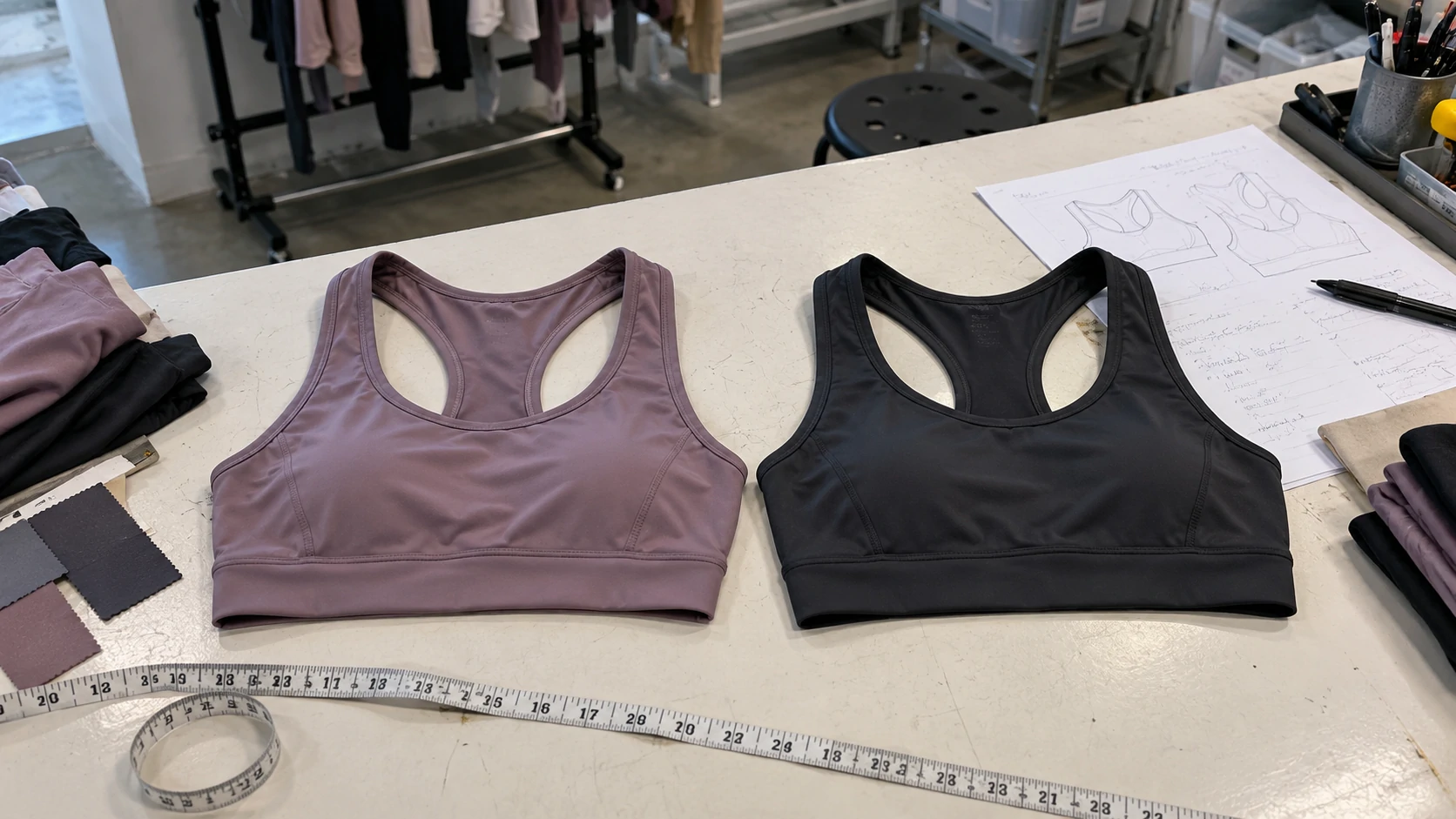
Same Measurements Do Not Always Mean the Same Fit
A specification sheet gives measurable points such as waist, hip, inseam, rise, chest width, or garment length.
Those measurements are important, but they only describe part of the garment.
Two samples can have very similar key measurements while still behaving differently because the shape between those measurement points is different.
For example, two pairs of leggings may have the same waist and hip measurements, but differences in:
- waistband height and shape
- front and back rise
- crotch curve
- leg shaping
- seam placement
- fabric stretch
can create a noticeably different fit.
This is why sample approval should involve more than checking a measurement chart.
The garment also needs to be evaluated as a complete product.
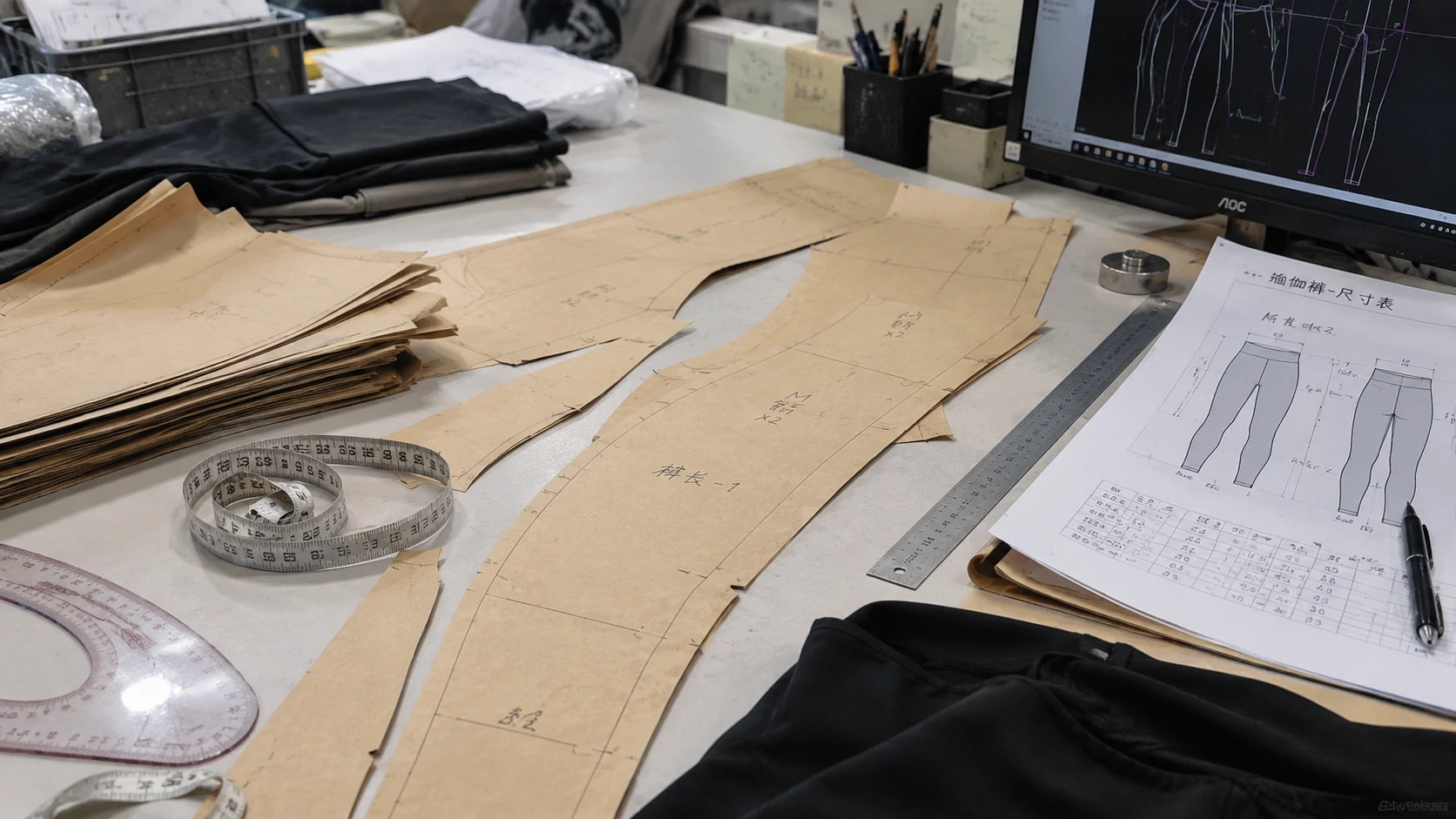
1. Pattern Shape Changes How the Garment Sits on the Body
A pattern determines much more than the finished width and length of a garment.
It defines the shape, proportions, curves, and balance of each panel.
Consider two leggings patterns.
Both may produce the same finished hip measurement, but one may have a different back rise, crotch curve, waistband shape, or leg angle.
On paper, the measurements can appear close.
On the body, the result can be very different.
This becomes especially important with close-fitting activewear, where relatively small pattern changes can influence:
- waist stability
- compression
- crotch fit
- glute shaping
- movement
- overall silhouette
For this reason, fit corrections during sampling should identify which part of the pattern is creating the problem, rather than simply making the entire garment bigger or smaller.
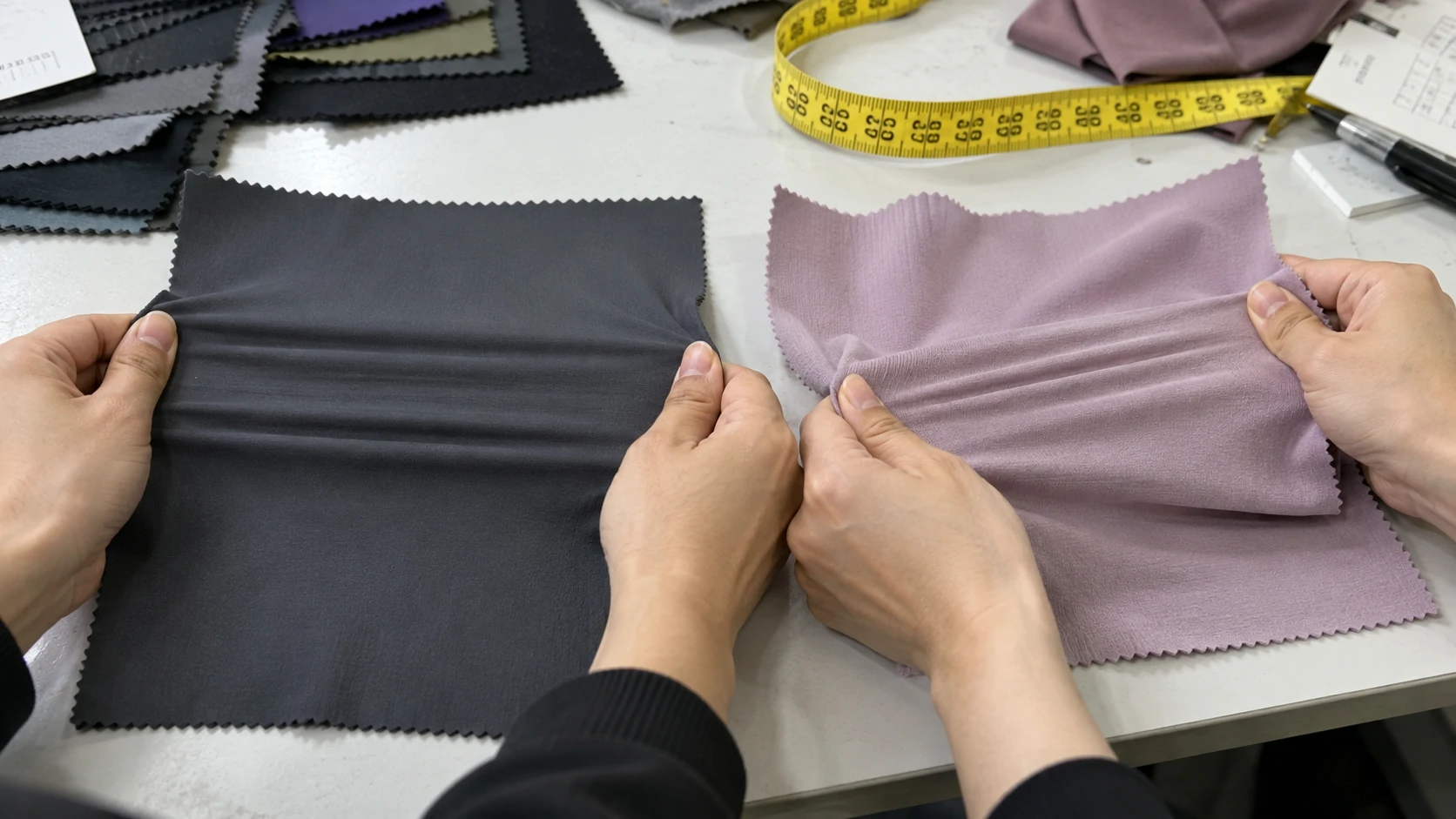
2. Fabric Stretch Can Change the Effective Fit
Fabric is one of the biggest reasons why the same pattern can produce a different wearing experience.
Imagine that Sample A and Sample B are cut from exactly the same pattern.
Sample A uses a softer fabric with greater stretch.
Sample B uses a firmer fabric with lower stretch.
The finished garment measurements may be almost identical, but Sample B can feel considerably tighter when worn.
That is because activewear fit depends not only on the garment's dimensions, but also on how the fabric behaves under tension.
Important fabric characteristics include:
Stretch
How far the fabric can extend.
Recovery
How effectively the fabric returns to its original shape after stretching.
Weight
Heavier and lighter fabrics can behave differently even when their fiber composition appears similar.
Structure
Some fabrics feel soft and flexible, while others provide firmer compression and support.
This is why changing fabric after approving a fit sample can sometimes change the final fit.
If a brand wants to change fabric, the fit may need to be reviewed again before bulk production.
3. Stretch Direction Matters Too
Not all stretch behaves in the same direction.
For activewear, the relationship between the pattern and the fabric's stretch direction can affect how the garment feels during movement.
A fabric may stretch differently:
- horizontally
- vertically
- diagonally
If pattern pieces are cut or positioned differently relative to the fabric direction, the finished garment can behave differently even when the measurements remain similar.
This is particularly noticeable in products such as:
- leggings
- compression tops
- fitted shorts
- sports bras
where the garment stays close to the body and moves under repeated tension.
So when evaluating a sample, brands should consider not only how much the fabric stretches, but also how that stretch interacts with the pattern.
4. Construction Can Change Fit
Fit is also influenced during sewing.
Seams join multiple pattern pieces together, and the way those seams are constructed affects the final garment.
For example, differences in seam tension or assembly can influence how a stretch garment sits against the body.
Waistband construction is another good example.
A waistband may have the correct finished measurement but still feel different because of its:
- height
- internal structure
- elastic tension
- seam construction
- fabric recovery
The same principle applies to sports bras and fitted training tops.
Band construction, strap placement, neckline shape, and panel seams can all influence how the garment feels even when the basic chest measurements remain unchanged.
This is why fit development should consider pattern + fabric + construction together.
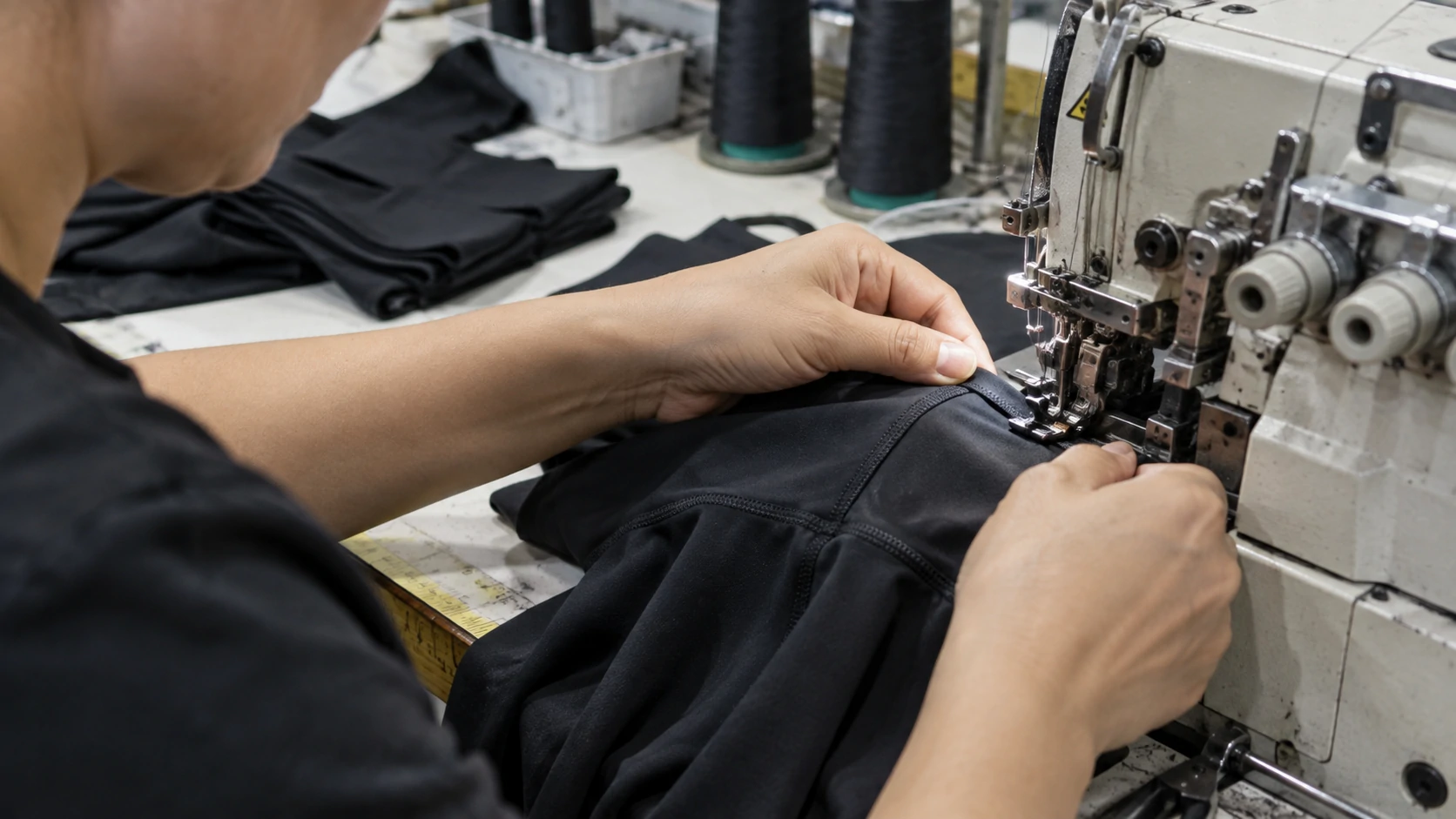
5. Sample-to-Sample Sewing Variation Can Affect the Result
During development, samples are often made individually rather than through a full production line.
Small sewing differences can therefore appear between samples.
This does not mean that every difference is automatically a serious production problem.
The important question is whether the difference affects a critical part of the product.
For example:
- Is the waistband sitting differently?
- Has the rise changed?
- Are important seams positioned differently?
- Does the garment twist when worn?
- Is the fit noticeably different during movement?
These observations help separate minor sample variation from an issue that requires a pattern or construction correction.
What Should You Compare When Two Samples Fit Differently?
If two samples are labeled the same size but do not fit the same, avoid changing the size immediately.
First, compare the variables that can actually cause the difference.
| Check | What to Compare |
|---|---|
| Measurements | Key garment measurement points |
| Pattern | Shape, curves, rise and panel proportions |
| Fabric | Stretch, recovery, weight and structure |
| Stretch Direction | How pattern pieces are positioned on the fabric |
| Construction | Seams, waistband, elastic and assembly |
| Wearing Test | Movement, compression, comfort and silhouette |
This makes the fitting process more useful because you are identifying why the fit changed, not simply observing that it changed.
A Better Way to Review Activewear Samples
When reviewing a new sample, we recommend looking at fit in three layers.
01 — Check the Measurements
Compare the sample with the confirmed specification.
Identify where measurements are within the intended range and where adjustments may be required.
02 — Check the Garment on the Body
A measurement table cannot show everything.
Evaluate how the garment behaves when worn:
- Does the waistband stay in position?
- Is movement restricted?
- Is compression balanced?
- Are seams sitting where intended?
- Does the garment maintain the intended silhouette?
03 — Check the Material and Construction
If the measurements appear correct but the fit still feels wrong, investigate the fabric, pattern shape, and construction before simply changing the size.
This helps prevent one adjustment from creating another problem elsewhere in the garment.
See how we develop activewear from idea to production →
Before Approving the Sample
Before approving an activewear sample for production, confirm that the intended fit is working with the actual fabric and construction planned for the product.
Pay particular attention if you have changed:
- fabric
- GSM
- stretch characteristics
- waistband construction
- elastic
- panel design
- seam type
A sample that was approved using one material should not automatically be assumed to fit exactly the same after a significant material or construction change.
When an important variable changes, review the effect it has on the finished garment.
The Key Takeaway
When two samples in the same size fit differently, the answer is not always found on the measurement sheet.
Fit is the result of several connected decisions:
PATTERN → FABRIC → CONSTRUCTION → FIT
Understanding that relationship makes sample feedback more precise and helps brands make clearer decisions before moving into bulk production.
At Bless Gymwear, our development process looks at activewear as a complete product rather than treating fabric, fit, and construction as separate decisions.
Explore how we develop custom activewear →
Frequently Asked Questions
Can two garments have the same measurements but fit differently?
Yes. Similar finished measurements do not necessarily create the same wearing experience. Pattern shape, fabric stretch and recovery, seam construction, and garment structure can all affect fit.
Can changing fabric change the fit of an approved sample?
Yes. A fabric with different stretch, recovery, weight, or structure can change how the same pattern behaves on the body. Significant fabric changes should therefore be reviewed before bulk production.
Should I change the size if a sample feels too tight?
Not immediately. First determine whether the issue comes from the measurements, pattern shape, fabric stretch, or construction. Increasing the entire size may solve one problem while creating another.
Why is activewear fit more sensitive to fabric?
Many activewear products are designed to fit close to the body and stretch during movement. Because the fabric is part of how the garment achieves compression, support, and mobility, changes in fabric behavior can have a noticeable effect on fit.
What should a brand check before approving an activewear sample?
Review the measurements, fit on the body, fabric behavior, construction, branding placement, and key product details before approval. The approved sample and specifications should clearly represent the product you intend to move forward with.